Wednesday, March 12, 2014
Friday, March 7, 2014
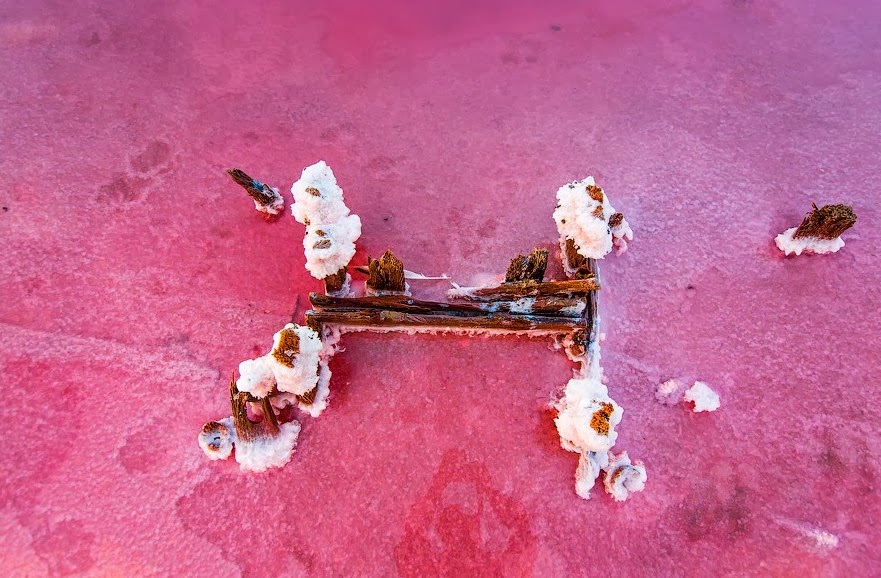
Koyashskoe Salt Lake
Koyashskoe lake in Kerch, (Crimea). Located in the Opukske Reserve, Lake Koyashske is considered to be the saltiest in Crimea
– a liter of its water contains 350 grams of salt. The lake’s
main highlight is its changing-colour properties that depend on the
season(when it's hot, the water is pink-coloured). The unusual color of
the lake is due to the microscopic algae living in the water. Another
reason for the lake's red color is the high population of brine shrimps
that live there.
All photos credit: Sergey Anashkevitch and can be found here
Saturday, March 1, 2014
Frozen Fountains
![]() |
| Photo credit: Bob Gathany |
![]() |
| Photo credit: Carl Pileggi |
![]() |
| LINK |
![]() |
| Photo courtesy: WHNT News 19 viewer- LINK |
![]() |
| LINK |
![]() |
| Photo credit: Stephen Bell |
![]() |
| Photo credit: Mark Kent |
![]() |
| LINK |
![]() |
| Photo by ZoeyRedBird14 on Deviantart |
![]() |
| LINK |
| Photo credit: Terry Brightwell |
![]() |
| LINK |
![]() |
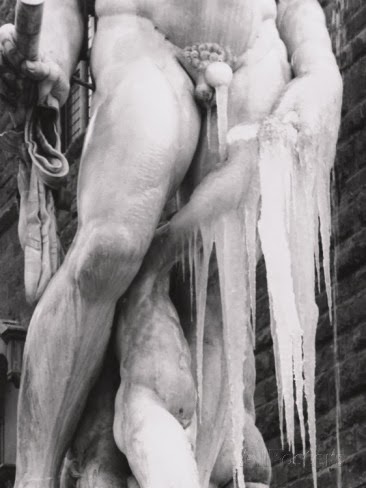
| Neptune Fountain During an Ice-Storm, Piazza Della Signoria, Florence. Photo credit: Vincenzo Balocchi |
Tuesday, February 25, 2014
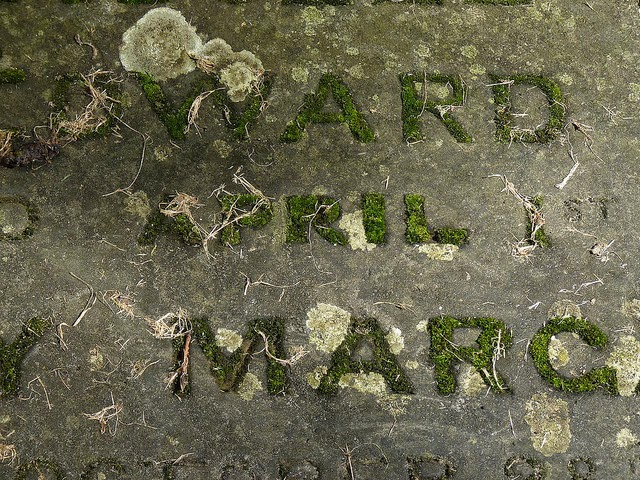
Mossy Headstone Epitaphs Part II
![]() |
| Photo credit: Dave Webster |
![]() |
| Photo credit: Karen DeSanno |
![]() |
| Photo credit: skittledog |
![]() |
| Photo credit: Taffy van Doorn |
![]() |
| Photo credit: Pics_by_L |
![]() |
| Photo credit: Brucey |
You can find Part I here
Tuesday, February 18, 2014
Tribal Scarification VII
From delicate swirls of raised flesh to intricate dotted patterns, the scars that decorate the bodies of Ethiopia's Bodi, Mursi and Surma tribes are more than just the sign of an old injury. Now
the stunning scar markings of Ethiopia and Sudan are the subject of an
incredible set of photographs by French snapper, Eric Lafforgue, who
travelled through the country observing cutting ceremonies and meeting
the locals.Despite the risks,
scarification continues to play a huge role in tribal life, not least
across the border in South Sudan where scars are a distinctive feature
of life for the Nuer people.'This
tradition isn't done as much anymore,' explains Lafforgue. 'Partly,
it's because of better education and the increasing number of people who
have turned to Christianity but also because it is a too visible sign
of tribal belonging in an area that has suffered many disputes.'
All photo in this post by Eric Lafforgue and can be found here
Child ritual scarification here
Saturday, February 15, 2014
Animals Eating Animals Part II
![]() |
| Photo credit: James Torr |
![]() |
| Photo by the-shiznite on Deviantart |
![]() |
| Photo credit: Christian vd Berge |
![]() |
| LINK |
![]() |
| LINK |
![]() |
| Photo credit: © Alejandro Prieto - LINK |
![]() |
| Photograph: Newspix/Rex Features- LINK |
![]() |
| Photo credit: © Daniel J. Cox/Natural Exposures - LINK |
![]() |
| Photo by 00Tiger00 on Deviantart |
You can find Part I here
Subscribe to:
Posts (Atom)